MLOps & Systems
ML Data Is A First Class Citizen in Production
Why ML code in production is just a drop in the ocean compared to dynamic data pipelines, schema skew, and covariate drift.
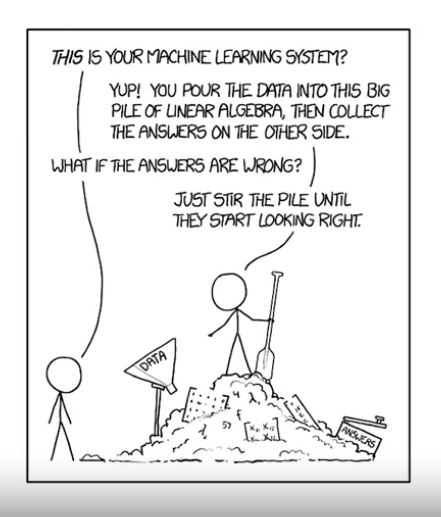
In classical academia, machine learning seems like a neat optimization problem: clean data, a model, a benchmark, and a report. In production, the reality is different. Model code is only a small part of the system. The critical burden sits in the data layer: ingestion, validation, drift monitoring, feature quality, and feedback loops.
The real challenge is not training a better model. The real challenge is keeping the data contract healthy over time.
The production reality
Data in an academic or research setting is usually curated, static, and well-behaved. In production, the data pipeline is continuous and messy:
- Schema drift changes the meaning of the same columns over time
- Data quality issues create silent model degradation
- Covariate shift changes the distribution seen at serving time
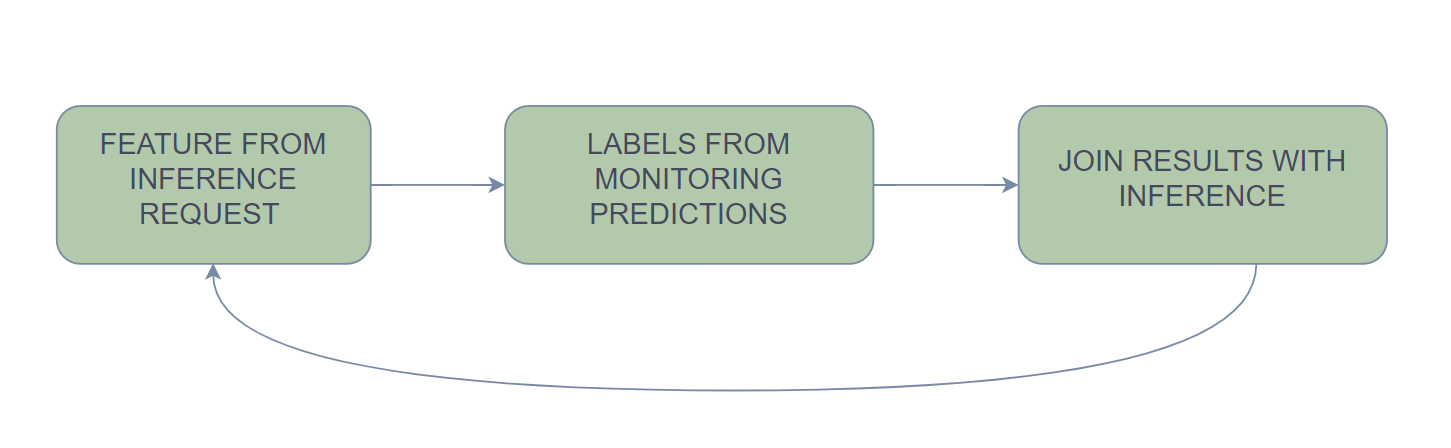
- Label delay makes evaluation lag behind business reality
That is why production ML systems are more about observability, monitoring, and feedback loops than pure predictive performance.
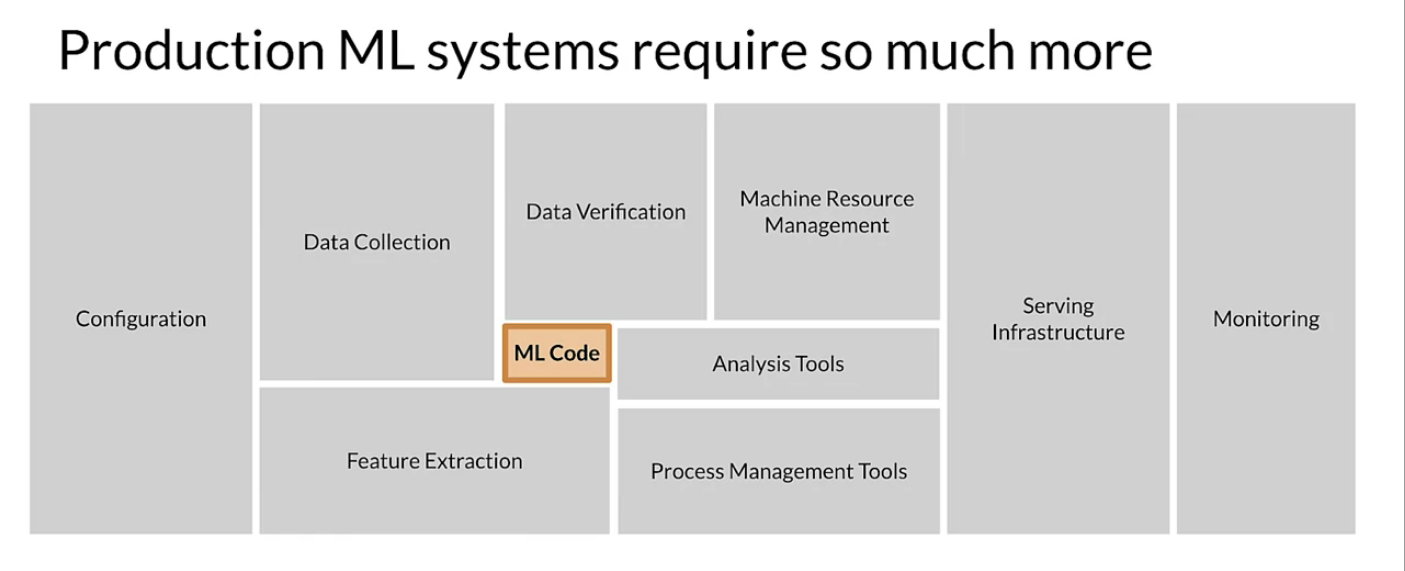
Why model code is not enough
When you deploy a model, your work does not stop. It actually begins.
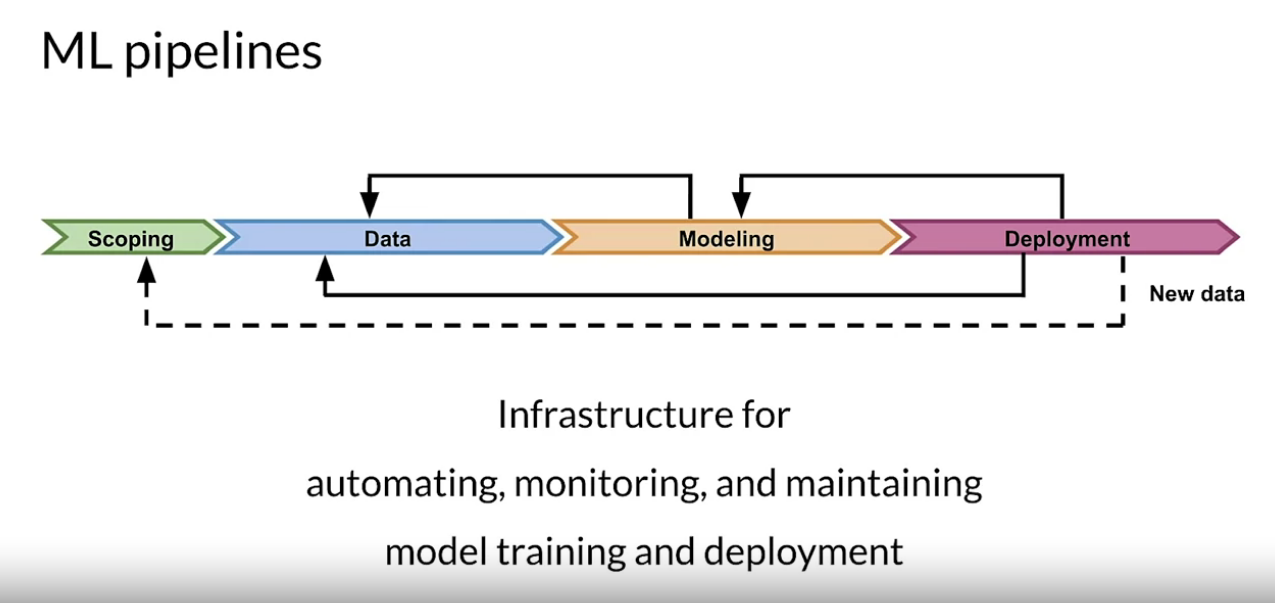
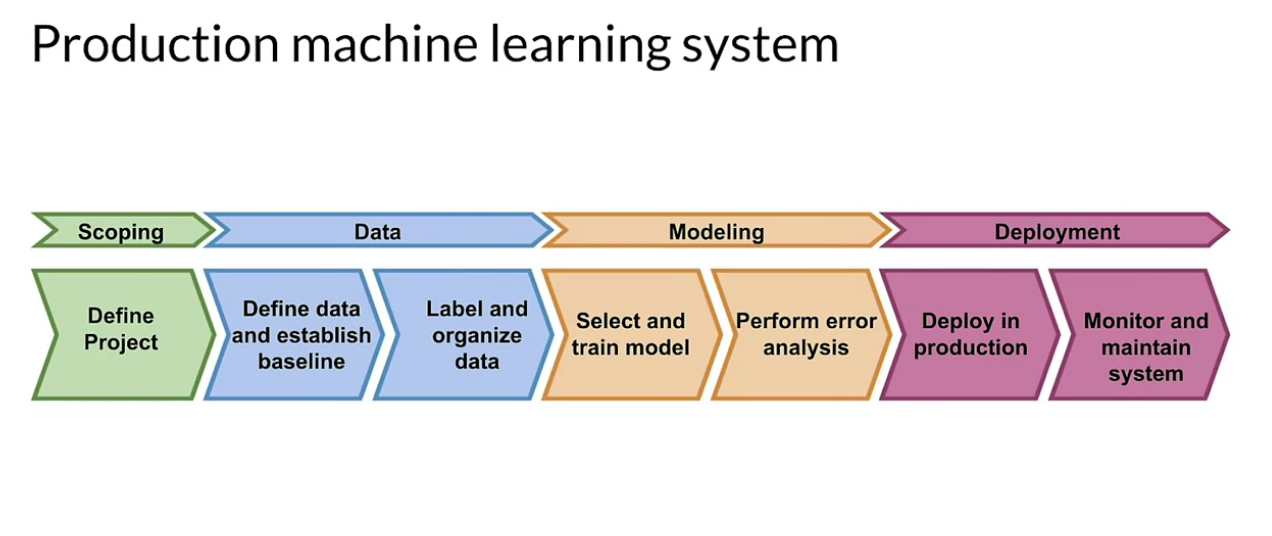
- Scoping: define the business problem and the right success metric
- Data pipeline: ensure ingestion, feature engineering, and schema contracts are stable
- Modeling and error analysis: inspect slices, not just aggregate accuracy
- Deployment and monitoring: detect drift and trigger automated retraining
A model can be algorithmically correct and still fail in production because the incoming data no longer matches the assumptions of training.
Distribution shift in practice
The most common types of drift are:

1. Concept drift
Changes in the relationship between features and target:
2. Covariate shift
Changes in the input distribution itself:
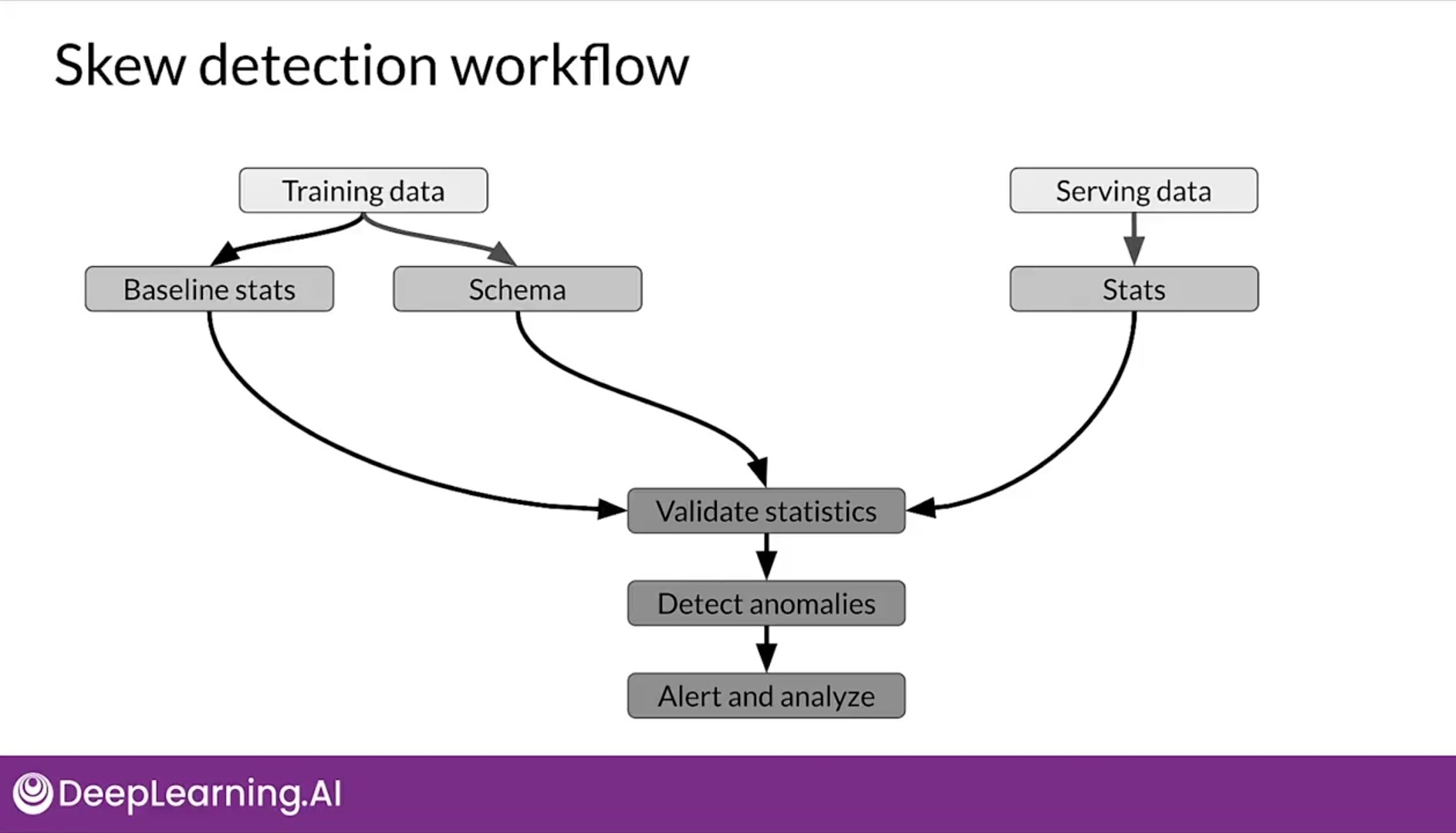
3. Schema skew
The feature columns arrive with new types, missing values, or unanticipated categories.
This is why MLOps teams care deeply about data validation frameworks, lineage tracking, and continuous monitoring dashboards.
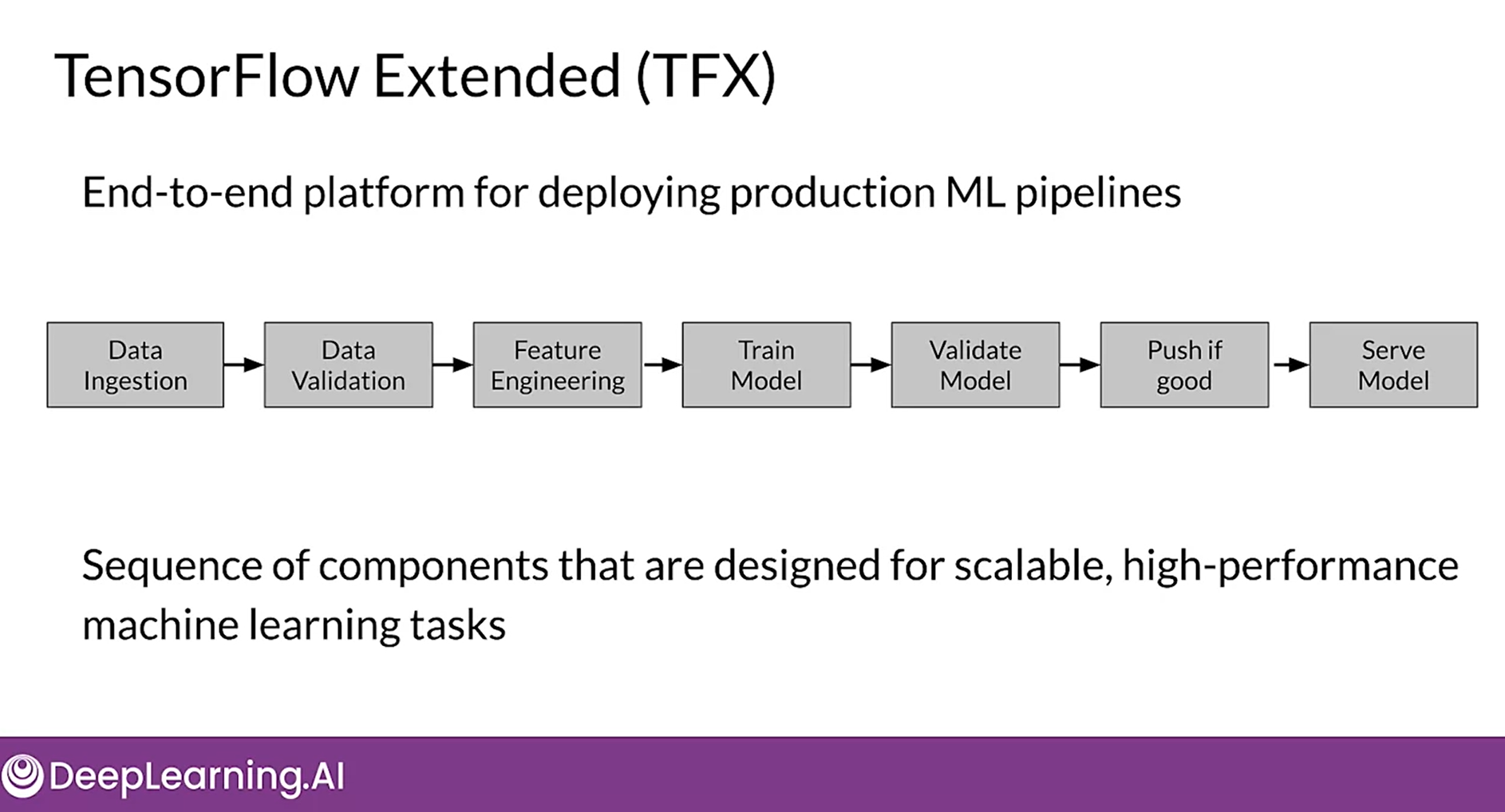
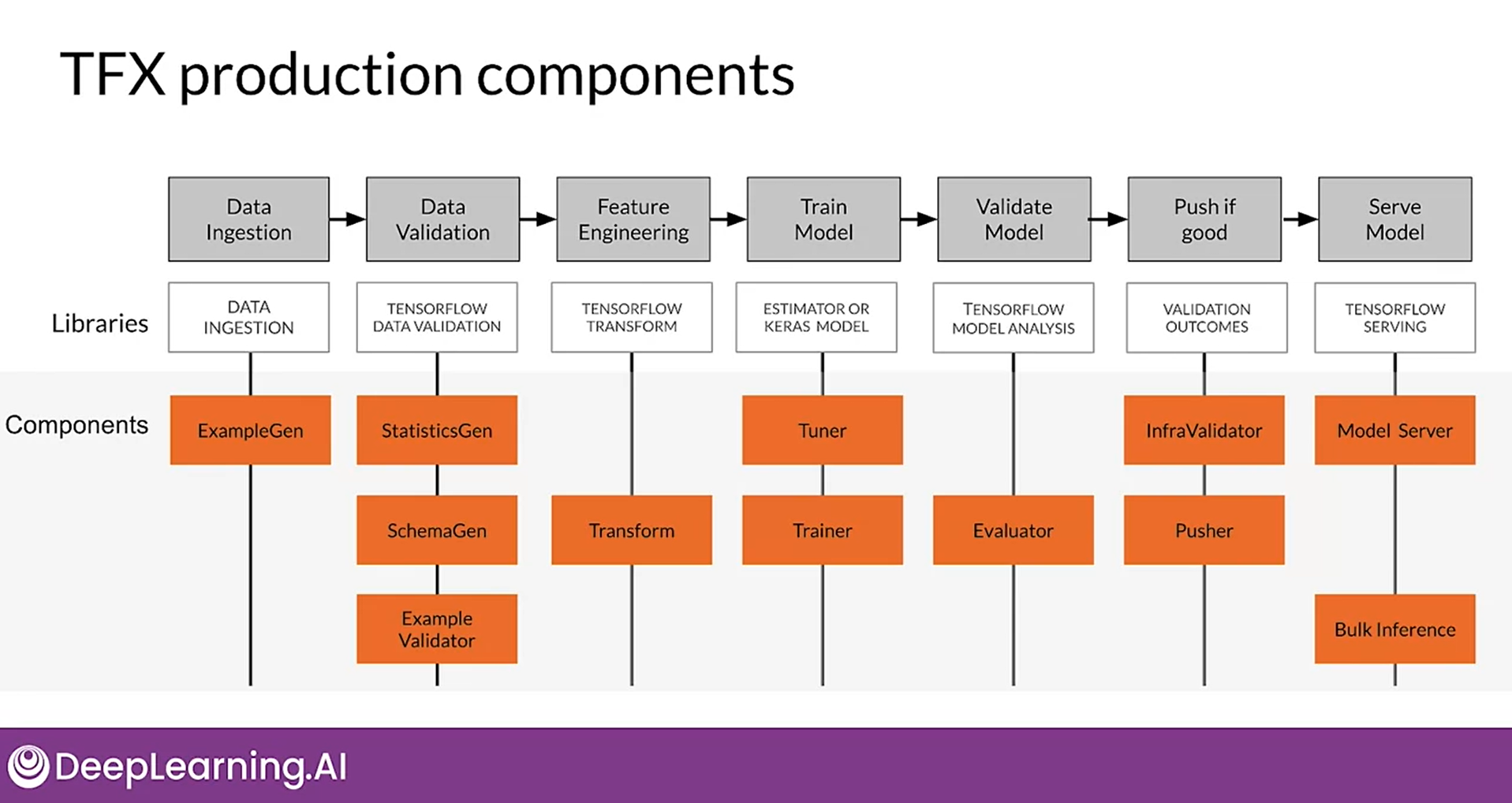
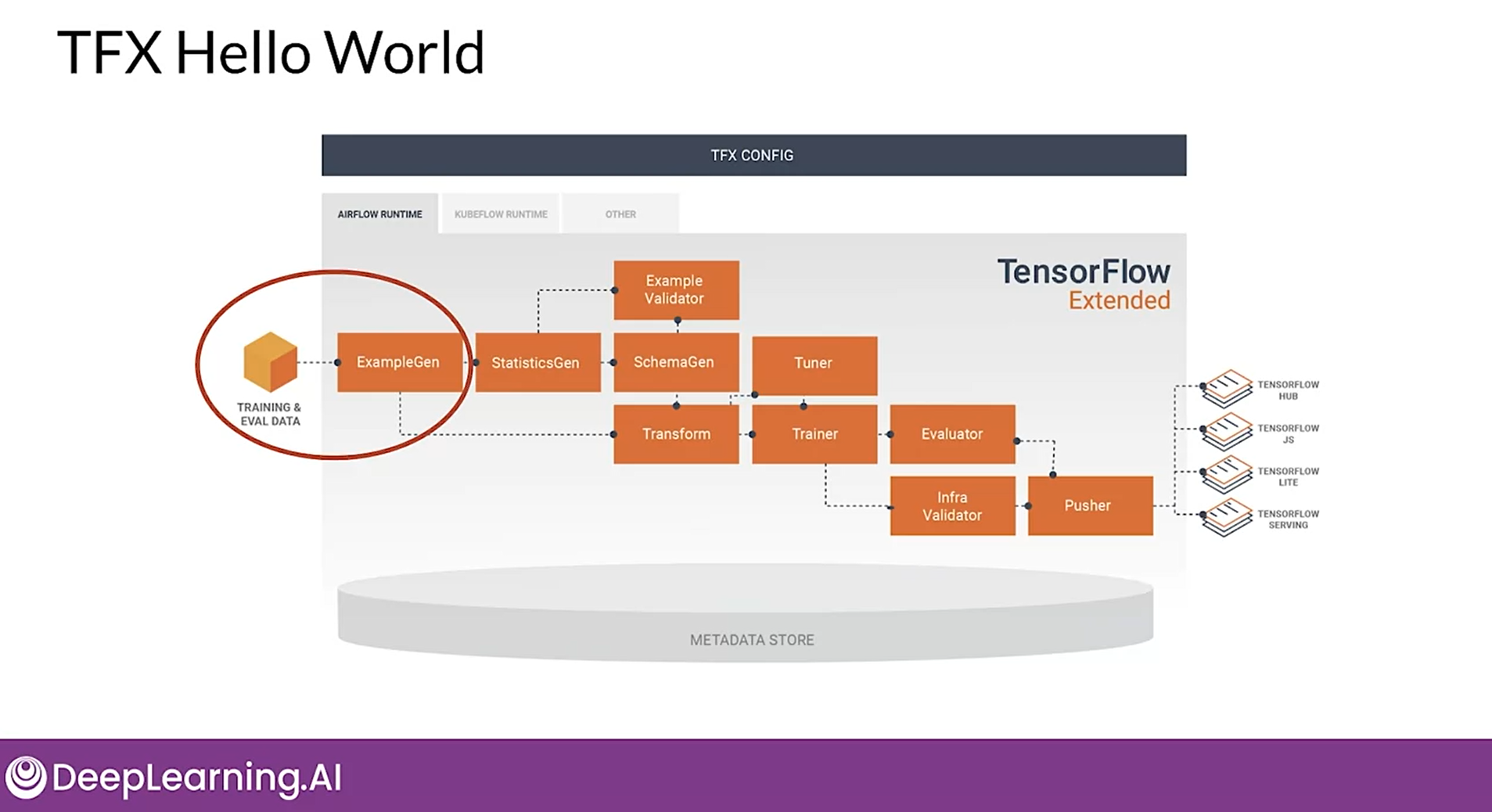
The original notebook also walks through a TensorFlow Extended production pipeline:
Operational checklist
A production pipeline should include:
- data contract validation
- baseline and business KPI tracking
- drift detection thresholds
- replayable training data
- canary rollout and rollback gates
- retraining triggered by evidence, not guesswork
Final thought
The highest-leverage system in machine learning is not the model itself. It is the data health system around it. If the data pipeline is healthy, the model has a chance to remain useful. If not, the production system silently decays.